Release time:2026-08-09
Sheet metal processing shell is the structural skeleton and functional barrier of equipment, which directly determines the protection level, heat dissipation efficiency, electromagnetic compatibility, assembly accuracy, and service life of the equipment, and is not a simple "iron box".
Core Importance
Physical protection and safety: resist dust, moisture, oil stains, impacts, and splashes, prevent damage to internal core components, and ensure the safety of operators (such as anti sharp angle design).
Thermal management and stability: By utilizing the thermal conductivity of metals and customized air ducts/heat dissipation holes, heat can be efficiently dissipated to prevent overheating, frequency reduction, or system failure. Precision equipment requires "temperature stabilization" rather than simply cooling down.
Electromagnetic compatibility (EMC): Provides natural electromagnetic shielding, isolates external interference and suppresses internal radiation leakage, ensuring stable signal transmission and measurement accuracy (especially crucial for precision instruments).
Structural support and assembly accuracy: As the installation benchmark for internal modules (motherboard, hard drive, power supply, etc.), high-precision tolerances (up to ± 0.05mm) ensure seamless assembly, avoiding hole displacement or looseness.
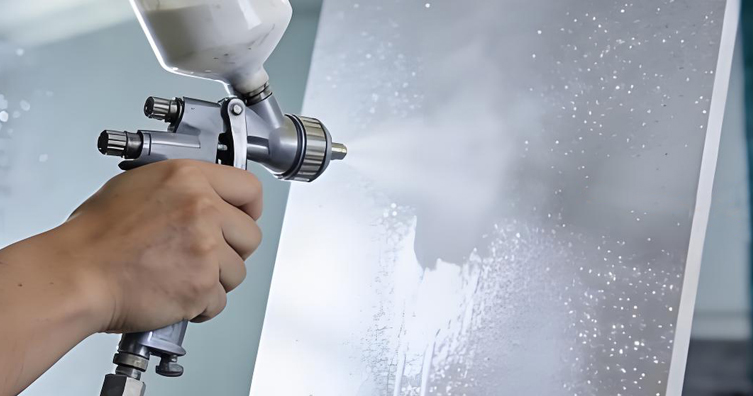
Environmental adaptability and lifespan: By selecting materials (stainless steel/galvanized sheet) and surface treatment (spray coating/passivation), anti-corrosion, rust prevention, and weather resistance are achieved, greatly extending the service life of equipment under harsh working conditions.
Human computer interaction and maintenance: The modular and detachable design facilitates maintenance and upgrading, and the appearance and texture directly affect the product brand image and market value.
Key impact dimensions
Operational reliability: Defects in the shell structure can lead to accumulated temperature, vibration deformation, or signal interference, directly causing equipment failure; High quality sheet metal can improve the stability of the entire machine by over 70%.
Cost control: precise customization to avoid adaptation vulnerabilities from the source and reduce later operation and maintenance investment; Although the initial process requirements are high, the long-term comprehensive cost-effectiveness is better.
Scenario adaptability: Customizing protection levels (IP codes), shielding effectiveness, and heat dissipation solutions for different industries (industrial control, servers, medical instruments) is a necessary prerequisite for equipment deployment.
In short, the sheet metal shell is the external carrier of the internal performance of the equipment, and its design and process level directly reflect the overall quality and core competitiveness of the equipment.